For a long time, creatine monohydrate was a gym bag ingredient. Serious lifters knew about it. Sports scientists loved it. Everyone else ignored it.
That era is over.
Creatine is having its biggest moment in decades and what’s interesting is that the growth is not coming from the same people who were already buying it. The demographic has completely shifted, the formats have multiplied, and the science backing its use has expanded well beyond muscle building into cognitive health, healthy ageing, and recovery. The market is reflecting all of this: valued at $1.85 billion in 2026 and growing toward $2.86 billion by 2030 at an 11.5% CAGR.
For supplement brands, contract manufacturers, and food ingredient buyers across Europe, creatine monohydrate is an ingredient worth understanding properly right now not just as a commodity, but as a category in full acceleration.
Why Creatine Works — and Why That Matters for Buyers
Creatine monohydrate is one of the most extensively studied ingredients in sports nutrition. That is not marketing language. There are over 700 peer-reviewed studies on creatine, making it better documented than almost any other dietary supplement ingredient.
Here is what it actually does. Creatine is stored in muscle tissue as phosphocreatine, where it plays a direct role in regenerating ATP — the molecule the body uses for energy during short, intense bursts of effort. Supplementing with creatine increases the phosphocreatine stores in muscle, which means more ATP available during exercise, which means better performance and faster recovery.
The standard effective dose is 3–5 grams per day. No loading phase required for most users. No cycling needed. It is absorbed effectively as creatine monohydrate — and despite what the marketing around newer creatine formats (HCl, ethyl ester, buffered creatine) might suggest, no other form has consistently outperformed monohydrate in clinical trials.
This matters for ingredient buyers because it means monohydrate is not going to be replaced by a fancier alternative. The evidence base is too strong and the price-to-performance ratio is unmatched. What is changing is who is taking it and in what format — not the ingredient itself.
The Consumer Base Has Completely Changed
SPINS data published in early 2026 showed creatine surged 71.9% in the mainstream performance channel in the 52 weeks ending November 2025, following 46.5% growth the year before. That kind of sustained acceleration does not happen from the same buyers repurchasing, it happens when entirely new demographics enter the category.
And that is exactly what is happening.
Women are one of the fastest-growing buyer segments for creatine. Once almost exclusively marketed at men, creatine is now being positioned around strength, body composition, and hormonal health for women and the uptake is significant.
Older adults are another major new segment. The evidence on creatine for muscle preservation in ageing is compelling — sarcopenia (age-related muscle loss) is a major health concern, and creatine supplementation has shown meaningful benefits in maintaining muscle mass and function in people over 55. This is pushing creatine into pharmacy channels and clinical nutrition formats that would have seemed unlikely five years ago.
Cognitive health is the newest frontier. Meta-analytic data from randomised controlled trials involving nearly 500 participants now associates creatine monohydrate with improvements in memory, attention, and processing speed, particularly under conditions of metabolic stress like sleep deprivation. BrainMD in the US launched a dedicated cognitive creatine product in 2024. This is the beginning of a meaningful repositioning of the ingredient.

Format Innovation Is Driving New Demand
The powder tub is no longer the only format. And for ingredient suppliers, this matters because different formats create different raw material requirements.
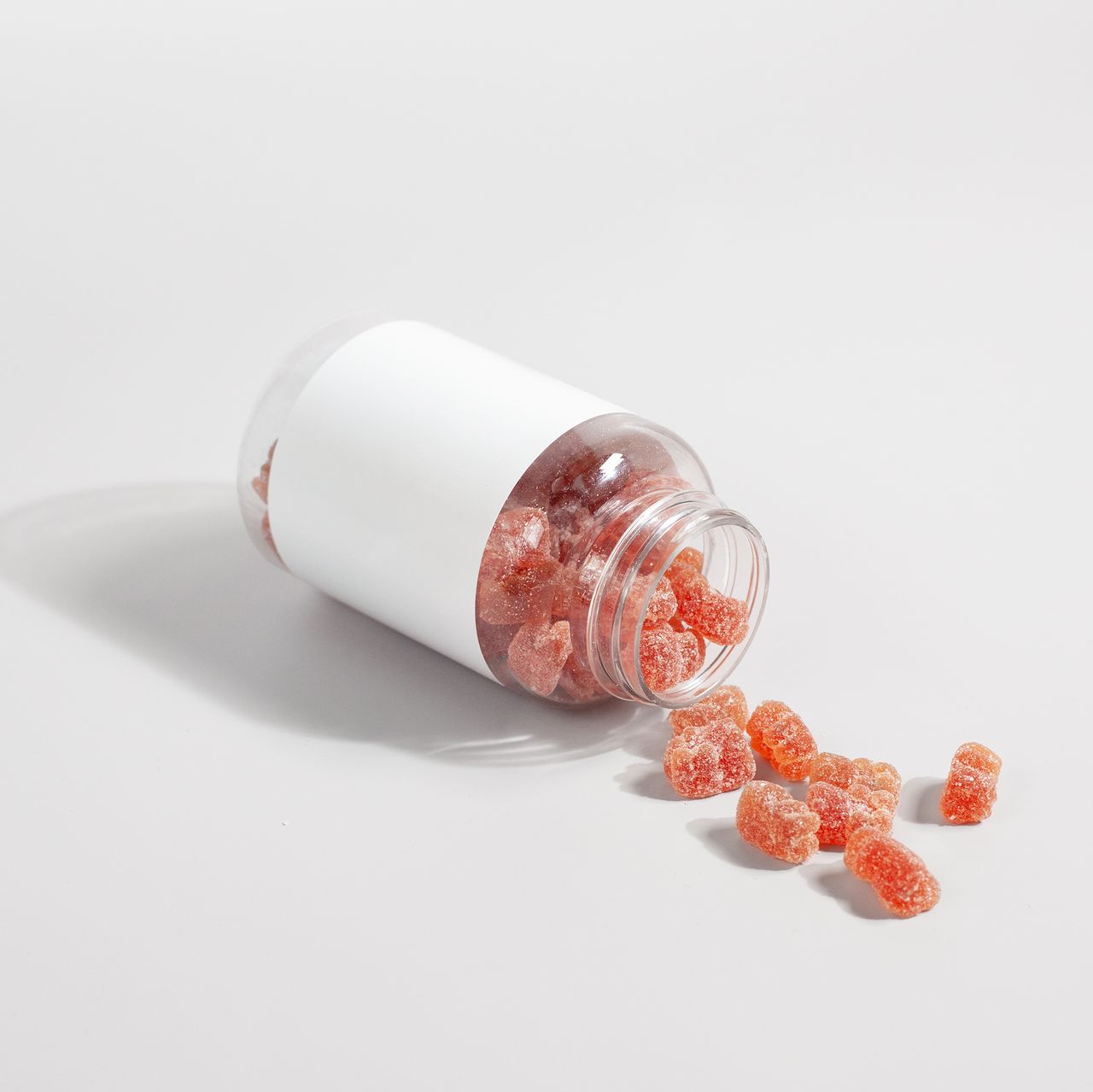
Creatine gummies have been the most talked-about innovation in the category. Searches for creatine gummies increased more than 1,300% year-over-year. In Europe, brands offering creatine gummies grew by 48%. In the US and Canada, new product launches featuring creatine gummies grew by over 50%.
The appeal is obvious which means no mixing, no powder, no chalky texture. For the new demographic of women, older adults, and health-conscious general consumers, a gummy is a much more accessible format than a tub of white powder.
The manufacturing challenge is real though. Creatine degrades in gummy formats due to moisture, heat, acidic pH, and extended shelf life. Independent testing found that a significant proportion of creatine gummies on the market are either underdosed or have degraded active content by the time they reach the consumer. This is a quality issue the industry is actively working through — and it is creating demand for better-stabilised creatine raw materials and more rigorous COA documentation from ingredient suppliers.
RTD beverages are another growing format. Creatine-fortified drinks, pre-workouts in liquid format, and hydration products with creatine added are expanding the occasions and channels through which the ingredient reaches consumers.
The Supply Chain in 2026 — Concentration Risk Worth Knowing About
The creatine monohydrate supply chain has a structural characteristic that every buyer should understand: it is heavily concentrated upstream.
The vast majority of global creatine monohydrate is manufactured in China, using a synthesis route that depends on two key chemical intermediates such as cyanamide and sodium chloroacetate. This concentration creates a fragile pricing and logistics ecosystem where geopolitical shifts, environmental regulation in Chinese chemical manufacturing provinces, and hazardous cargo restrictions can translate into lead-time volatility and price spikes with relatively little warning.
Tariffs are adding another layer of complexity. Tariffs on chemical compounds and dietary ingredients ranging between 10% and 25% have raised import costs for companies reliant on Chinese creatine exports. Manufacturers and distributors are responding by regionalising supply chains and investing in local creatine production capacity but meaningful European production capacity remains limited.
The practical implication for buyers in Europe: creatine monohydrate is not a commodity you can reliably buy purely on spot. Lead times, documentation requirements, and price volatility all argue for planned purchasing and established supplier relationships.
The one European exception worth knowing is AlzChem Group in Germany, which produces Creapure a creatine monohydrate manufactured entirely in Germany to pharmaceutical-grade standards. Creapure carries a significant quality premium and strong brand recognition among sports nutrition companies selling to quality-conscious consumers.
What to Look for in Creatine Monohydrate as an Ingredient Buyer
Not all creatine monohydrate is equal and in a category where quality concerns around newer formats like gummies are already getting media attention, documentation matters.
The key specifications and certifications to look for:
- Purity — pharmaceutical grade creatine monohydrate should be 99.9%+ pure. Request HPLC purity test results with every batch.
- Heavy metals — lead, arsenic, mercury, and cadmium should all be tested and well below regulatory limits.
- Micronized vs standard — micronized creatine has a smaller particle size (200 mesh vs 60–80 mesh for standard), which improves solubility and mixability in gummy and beverage applications.
- Third-party certification — Informed Sport, NSF Certified for Sport, or equivalent certifications are increasingly requested by brands selling into professional sports markets.
- COA per batch — given the gummy quality scandal, having batch-specific COA documentation is now a basic expectation in responsible procurement.

How Waves Ingredients Supports Your Creatine Sourcing
At Waves Ingredients, we supply creatine monohydrate for supplement brands, contract manufacturers, and food ingredient buyers across Europe in both standard and micronized grades, with full batch-specific documentation and quality certificates as standard.
Whether you are manufacturing powder supplements, entering the gummy format, formulating an RTD beverage, or simply looking for a reliable, documented creatine supply, we are straightforward to work with.
Looking to discuss creatine monohydrate supply? Get in touch with our team → wavesint.com/contact-us/