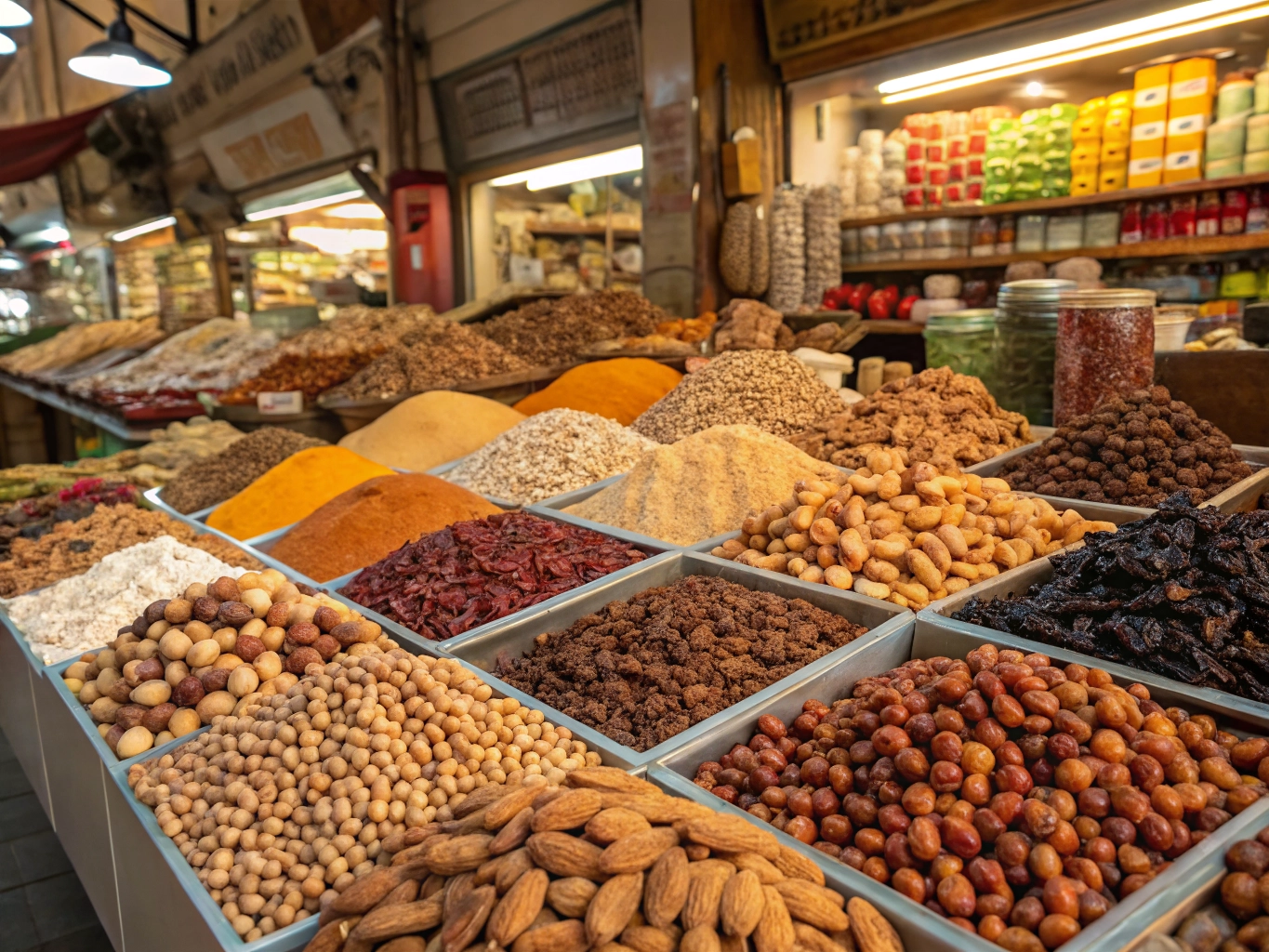
The global nuts and dried fruits market is defined by two competing forces right now: strong, sustained consumer demand on one side, and ongoing supply chain volatility, climate-related crop challenges, and shifting pricing dynamics on the other.
For food manufacturers, confectioners, and ingredient buyers, understanding both sides is essential for making informed sourcing decisions in the months ahead.
A Large and Growing Market — With Real Complexity Underneath
The global dried fruits and edible nuts market is valued at approximately $69.37 billion in 2026, projected to reach $121 billion by 2035 at a CAGR of 5.72%. Global consumption exceeds 11 million metric tons annually, with almonds, walnuts, cashews, raisins, and pistachios contributing over 67% of total demand. This concentration means that harvest conditions in just a few growing regions can move the entire market — and that is exactly what buyers are navigating right now.
What Is Happening With Pricing in 2026
Pricing remains mixed and product-specific.
Almonds have strengthened on tighter supply expectations. With California producing nearly 80% of world supply, even marginal shifts in the U.S. harvest outlook have outsized effects on global pricing. Forward buying is lighter than usual as customers watch prices rather than locking volumes early.
Hazelnuts are turning strategic — softer pricing has encouraged Turkish producers to hold inventory, hinting at tighter availability ahead. Supply shortages from Turkey have strengthened smaller producers in Italy and Spain, though their capacity remains limited.
Walnuts and pistachios are drawing consistent buyer interest, while other varieties face slower pickup.
In dried fruits — raisins, dates, apricots, figs, and prunes — the main pressure points remain weather patterns, logistics costs, and currency volatility in origin countries. Any disruption at origin level quickly translates into pricing moves downstream.
Consumer Demand Is Genuinely Strong
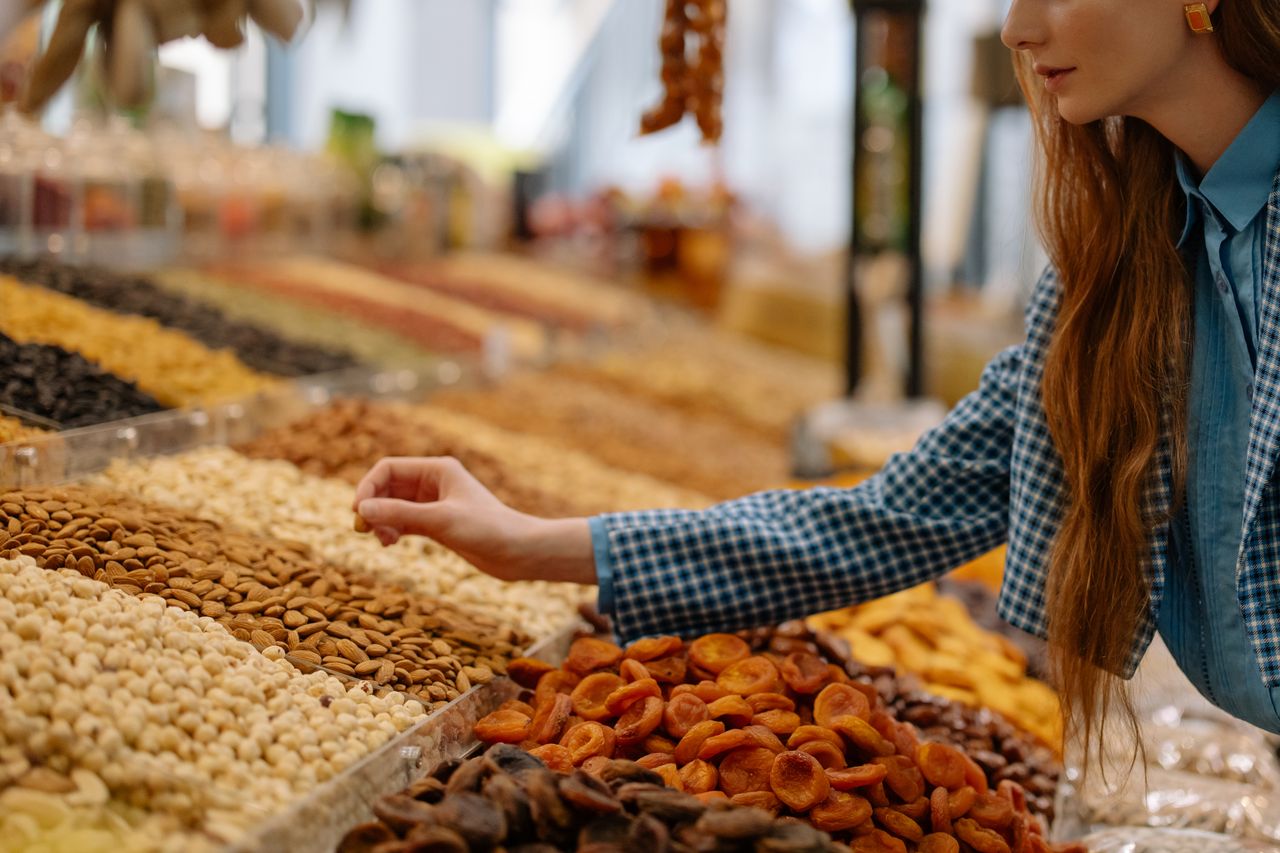
Amid the supply-side complexity, consumer demand is one of the clearest growth stories in food ingredients. 54% of consumers are choosing nuts and dried fruits for their high protein content. The shift toward healthy, natural snacking is structural, not cyclical, driven by:
- High-protein and plant-based nutrition — nuts increasingly positioned as protein sources, not just snacks
- Clean-label formulations — no additives, minimally processed, recognisable to consumers
- Bakery, confectionery, and functional food demand, which remains robust across European markets
- Organic and premium growth — organic nut sales expanded by 18% in the U.S., online dried fruit purchases rose 22%
Climate and Geopolitics Are Reshaping Supply Chains
Two forces are having a growing impact beyond normal market dynamics. Yields in some regions were 20–25% lower than in 2023 due to climate events, directly pushing commodity prices higher. On the trade side, EU retaliatory tariffs on U.S. almonds are pushing buyers to diversify sourcing strategies. For cashews, macadamias, and pecans, demand is already outstripping supply and further price increases look likely.
Traceability Is Non-Negotiable in Europe
European buyers face increasingly rigorous expectations around product quality, origin transparency, and sustainability. Sourcing decisions need to be backed by certification, audit trails, and full supplier documentation not just price and availability.
Looking Ahead
The factors that will most influence the market for the rest of 2026: upcoming harvests in California, Turkey, and Central Asia; continued climate variability; EU-U.S. trade policy developments; and freight costs. For buyers, the message is clear — reactive purchasing is increasingly costly. Building relationships with suppliers who provide market visibility and sourcing flexibility is becoming a genuine competitive advantage.
How Waves Ingredients Supports Your Sourcing
At Waves Ingredients, we track harvest conditions, pricing trends, and supply dynamics closely to help our partners make better-informed purchasing decisions. We supply almonds, walnuts, hazelnuts, raisins, dates, dried apricots, and more with full product documentation, quality certificates, and the flexibility to meet your production needs.
Looking to discuss your nuts and dried fruits sourcing for 2026? Get in touch with our team →