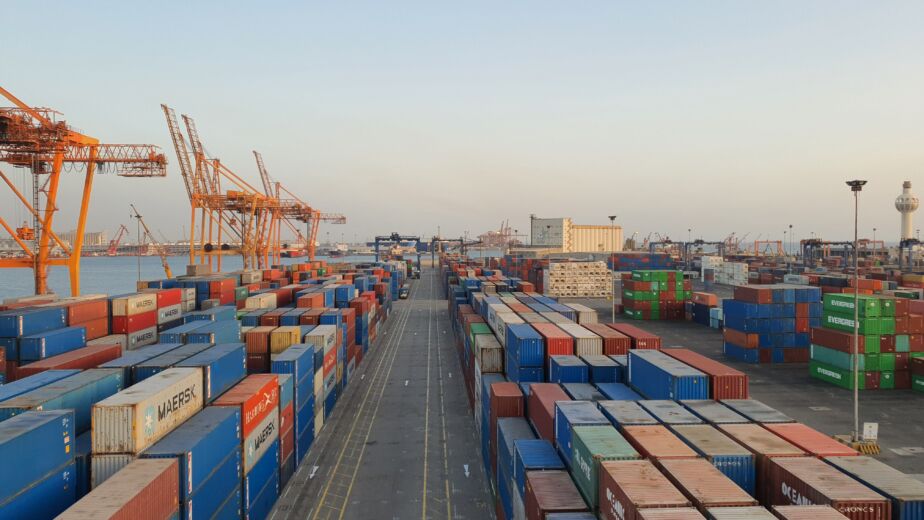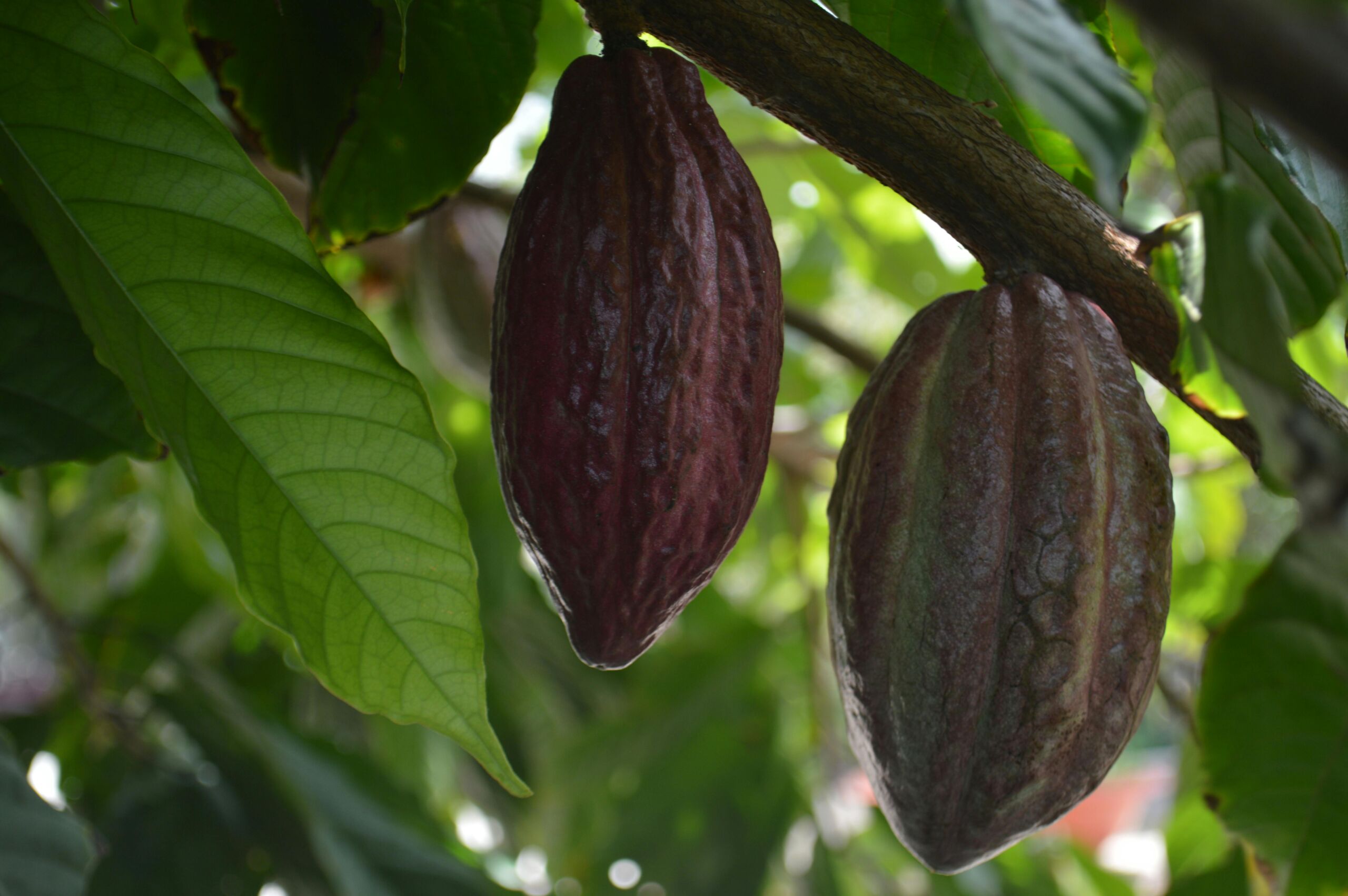
In today’s food industry, few ingredients are experiencing as much change as *organic cocoa*. What was once a niche, premium category is rapidly becoming a mainstream sourcing requirement — driven by tightening regulations, consumer demand for clean-label products, and a supply chain that is being rebuilt around transparency and traceability. For manufacturers, confectioners, and ingredient buyers across Europe, understanding where this market is heading is no longer optional. It’s a competitive necessity.
A Market That Is Doubling in Size
The global organic cocoa market is on a strong and sustained growth trajectory. From approximately $705 million in 2024, it is projected to reach over $1.27 billion by 2032 — a CAGR of 7.67%. Europe leads the way, holding a 41.2% share of the global market, supported by strong Bio-label retail demand and increasingly strict EU organic regulations.
This growth is not driven by a single trend. It is the result of several forces converging at the same time: health-conscious consumers, clean-label product reformulations, sustainability mandates from retailers, and a global confectionery industry under pressure to prove the origins of its ingredients.
Cocoa Powder Is Leading the Way
Among all organic cocoa formats, cocoa powder holds the largest share — projected at around 38% of the total market in 2026. The reasons are straightforward:
– Versatile across bakery, beverages, hot drinks, smoothies, and confectionery
– Naturally low in sugar and rich in antioxidants and flavonoids
– Perfectly aligned with health-conscious and clean-label formulation trends
– Easy to certify and integrate into existing production lines
For food manufacturers looking to upgrade their product lines, organic cocoa powder is often the first and most practical step.
Traceability Is Becoming Non-Negotiable
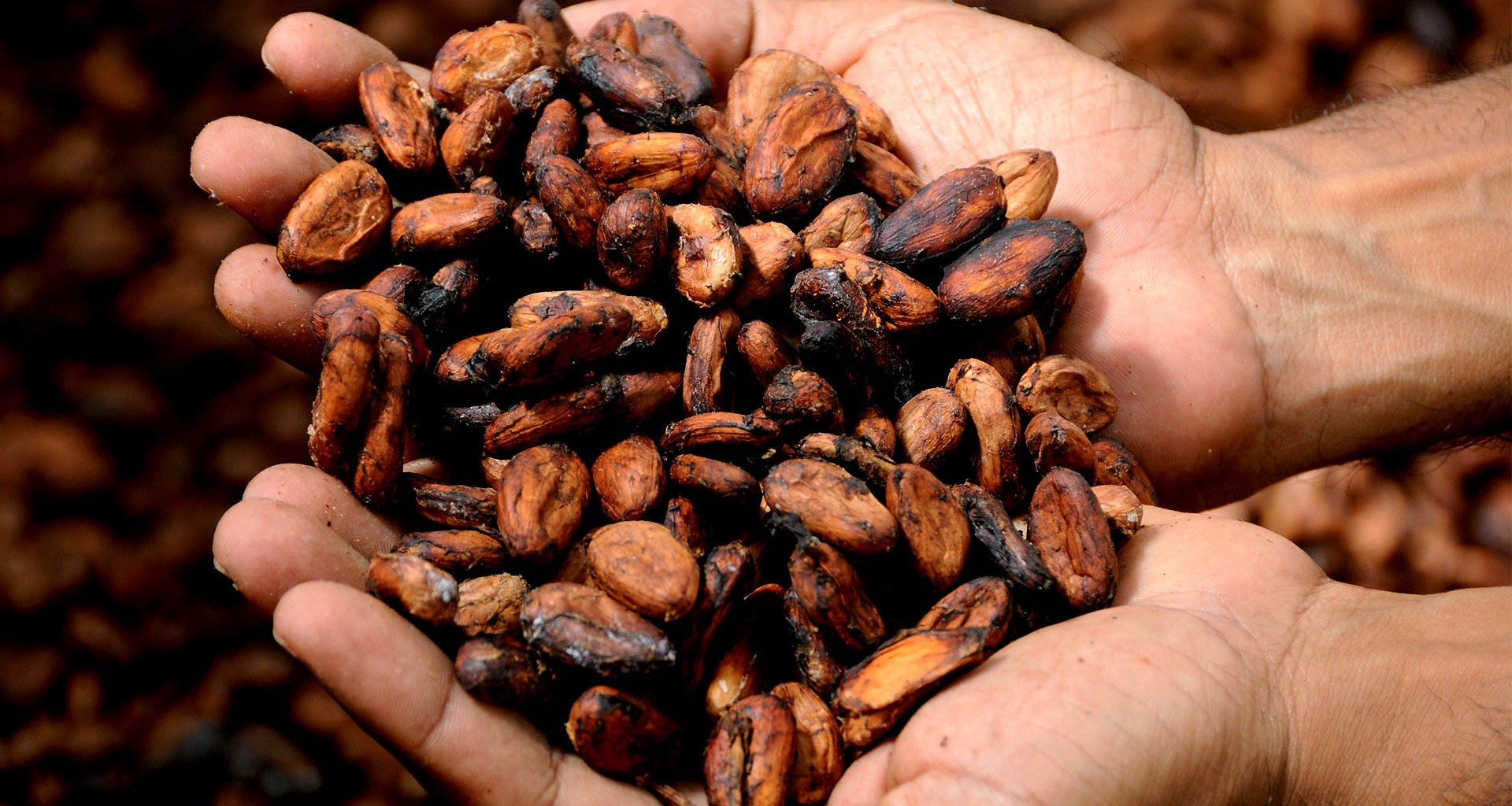
Perhaps the biggest structural change in the organic cocoa market is the move toward *full supply chain transparency*. Buyers no longer just want a certificate. They want to know where the beans were grown, how they were processed, and how the farmer was treated.
The 2026 cocoa supply chain is increasingly defined by transparency, farmer welfare, and climate-resilient farming practices. Major industry players are already investing heavily in digital traceability tools and sustainable logistics infrastructure to meet these expectations.
For ingredient buyers, this means that sourcing decisions increasingly come down to documentation quality, certification depth, and supplier reliability — not just price.
What This Means for Your Sourcing Strategy
If you are a food manufacturer or product developer sourcing cocoa ingredients, the next 12 to 24 months will be a defining period. The organic cocoa market is no longer a separate track running alongside conventional supply — it is becoming the direction the entire market is moving toward.
Key questions to be asking right now:
– Does your current cocoa supplier hold valid EU organic certification?
– Can they provide full origin traceability documentation?
– Are they positioned to scale supply as your organic product range grows?
How Waves Ingredients Can Help
At Waves Ingredients, we supply certified organic cocoa powder* sourced from Africa, South America, and the Caribbean. Our cocoa powder is:
– EU Organic certified (LV-BIO-02)
– Kosher and Halal certified
– Suitable for vegetarian and vegan formulations
– Available in 25 kg multi-layer paper bags with a 30-month shelf life
– Backed by full technical documentation and certificates of analysis
We work with manufacturers who want to build better, cleaner, and more transparent products — and we understand the documentation, compliance, and supply continuity requirements that come with operating in European markets.
The organic cocoa market is shifting. The manufacturers who move early will be the ones best positioned to meet what the market is asking for next.
Ready to talk about your cocoa sourcing?
Get in touch with our team → https://wavesint.com/contact-us/