
Cocoa butter has long been a staple in chocolate manufacturing but it’s also one of the most widely used natural ingredients in skincare and cosmetics. For ingredient suppliers and buyers who operate across both food and beauty categories, cocoa butter is a useful case study in how the two industries overlap, and where their sourcing requirements sharply diverge.
Why cocoa butter works in both worlds
Cocoa butter is the natural fat extracted from cocoa beans during chocolate processing. It’s prized in food applications for its smooth melting point (just below body temperature, which is why chocolate melts in the mouth) and in cosmetics for exactly the same property: it melts on contact with skin, delivering emollients and fatty acids that support moisture retention.
Its natural composition rich in oleic, stearic, and palmitic acids gives it emollient and mild antioxidant properties that cosmetic formulators value in body butters, lip balms, moisturizers, and soap bases. It’s a genuinely dual-use ingredient, not a repurposed byproduct.
Where the sourcing requirements diverge
Despite coming from the same raw material, food-grade and cosmetic-grade cocoa butter are not interchangeable, and buyers moving between the two categories need to understand why.
1. Refinement level differs. Food-grade cocoa butter used in chocolate is typically deodorized and refined to a specific flavor and aroma profile; the characteristic “cocoa” scent is often desirable. Cosmetic-grade cocoa butter is more often sold in a more deodorized or fully refined state, since a strong cocoa aroma can clash with a formulator’s fragrance profile, though some cosmetic brands specifically seek out the natural scent for a more “artisanal” positioning.
2. Regulatory frameworks are entirely separate. Food-grade cocoa butter falls under food safety regulations contaminant limits (cadmium, nickel, pesticide residues), microbiological standards, and food additive rules. Cosmetic-grade cocoa butter falls under cosmetic product regulation (in the EU, Regulation (EC) No. 1223/2009), which has different testing, labeling (INCI naming cocoa butter is listed as “Theobroma Cacao Seed Butter”), and safety assessment requirements. A supplier certified for food use isn’t automatically qualified to sell cosmetics, and vice versa.
3. Documentation buyers should expect differences accordingly. Food buyers want a Certificate of Analysis with heavy metals, microbiological counts, and allergen statements. Cosmetic buyers need a Cosmetic Ingredient Safety Report, INCI-compliant labeling documentation, and often a distinct set of stability and preservation data, since cosmetic formulations are exposed to different storage and use conditions than food products.

What this means for sourcing strategy
For a supplier or buyer already active in cocoa ingredients, expanding into cosmetic-grade cocoa butter isn’t simply a matter of relabeling the same raw material it typically requires:
- A distinct supply chain step (refining/deodorizing to cosmetic-grade specification)
- Separate quality documentation aligned to cosmetic regulation rather than food regulation
- Awareness that traceability and origin still matter the same climate and heavy-metal sourcing risks that affect food-grade cocoa (as covered in our recent piece on EU cadmium and nickel limits) apply upstream to cosmetic-grade cocoa butter too, even though the finished cosmetic product isn’t subject to those specific food contaminant limits.
The bigger picture: shared origin risk, separate end markets
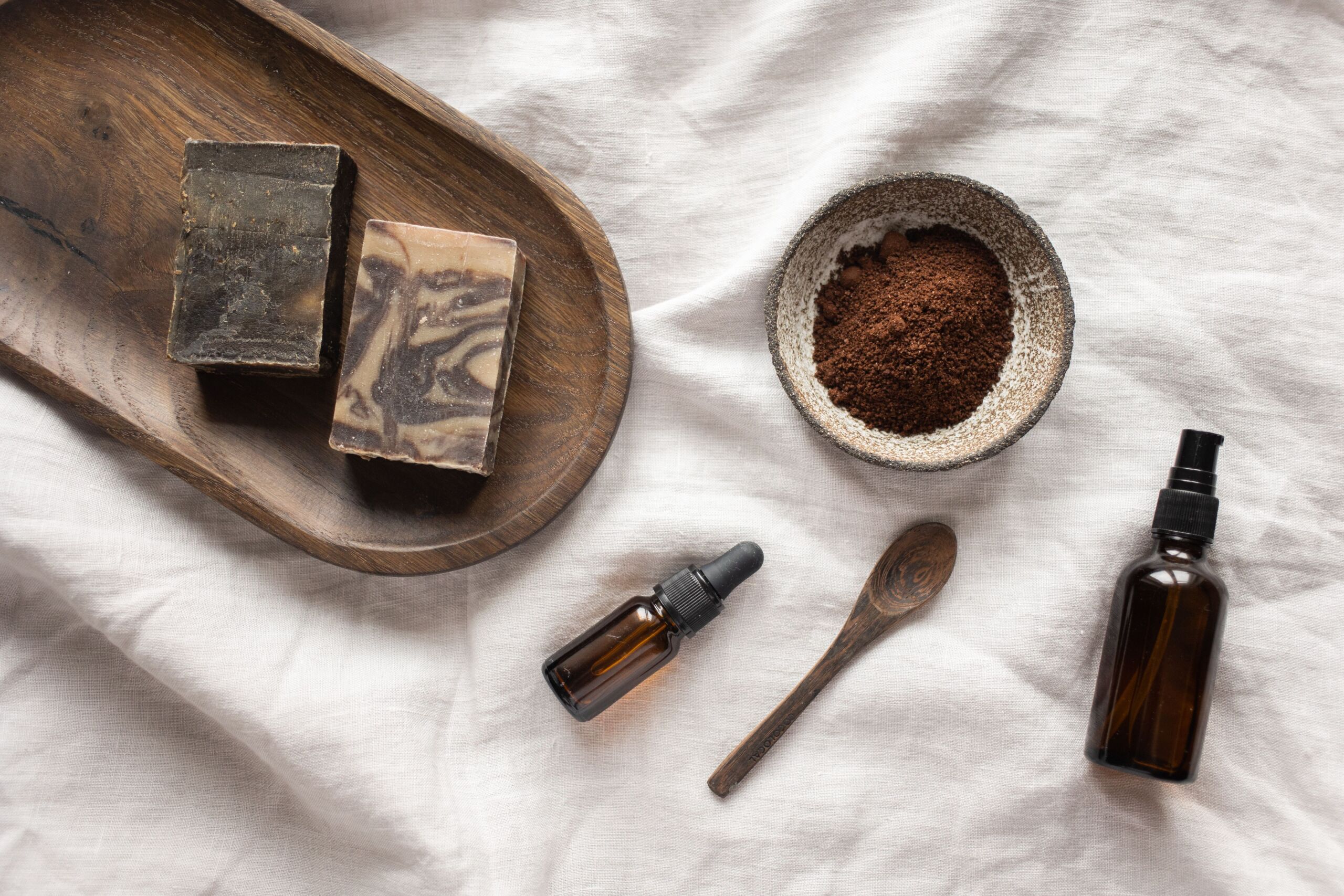
This is really the core lesson for any ingredient buyer working across food and cosmetics: the raw material risk (origin, climate, heavy metals, sustainability certification) is shared upstream, but the compliance, documentation, and formulation requirements diverge completely once you’re sourcing for a specific end use. Treating “cocoa butter” as a single undifferentiated ingredient rather than two distinct product specifications serving two regulatory worlds is a common and avoidable sourcing mistake.
The bottom line
Cocoa butter is a genuine bridge ingredient between food and beauty, and that overlap is exactly what makes it useful to understand well. But bridging the categories on paper is different from bridging them in your supply chain. Buyers moving between the two need distinct specifications, distinct documentation, and distinct supplier qualification, even when the raw material traces back to the same bean.
How Waves Ingredients Supports Your Cocoa Sourcing
At Waves Ingredients, we source and supply high-quality cocoa ingredients, including cocoa butter, cocoa powder and cocoa mass, for chocolate, bakery and cosmetic manufacturers across Europe.
We stay close to market developments in the cocoa space, tracking origin conditions, pricing dynamics, heavy-metal regulation and availability so our partners can make better-informed purchasing decisions.
Whether you are developing a new chocolate or skincare product, looking to secure supply for existing formulations, or need the right grade and documentation for your application, we are here to help.
Looking to discuss your cocoa sourcing? Get in touch with our team →